Homesteading for Renters: What You Can Actually Do Without Owning Land
Yes, you can homestead if you rent. Homesteading is a set of practices — growing food, preserving it, making things from scratch, reducing dependence on industrial supply chains — not a property type. Renters in apartments and small spaces do all of it. What changes is scale and method, not the substance of what you’re doing.
What Does Homesteading Mean If You Don’t Own Property?
Homesteading has nothing to do with owning land. The original meaning — claiming a plot and working it — has drifted over the past few decades into something more practical: living with more intention around food, resources, and self-reliance. That can happen on 50 acres or a 6th-floor apartment.
When I started, I was renting a place with a single north-facing balcony and a kitchen that fit one person at a time. I didn’t start by reading about homesteading philosophy. I started by keeping a sourdough starter alive and growing cherry tomatoes in a pot. That’s it. Both of those things are homesteading.
The honest version of homesteading for renters is: you pick the skills and practices that fit the space you actually have, not the space you wish you had.
8 Homesteading Activities That Work in a Rental
1. Container and Windowsill Growing
Growing food in containers is genuine food production. It’s not a consolation prize for people who can’t have a garden — it’s a different method with real yields.
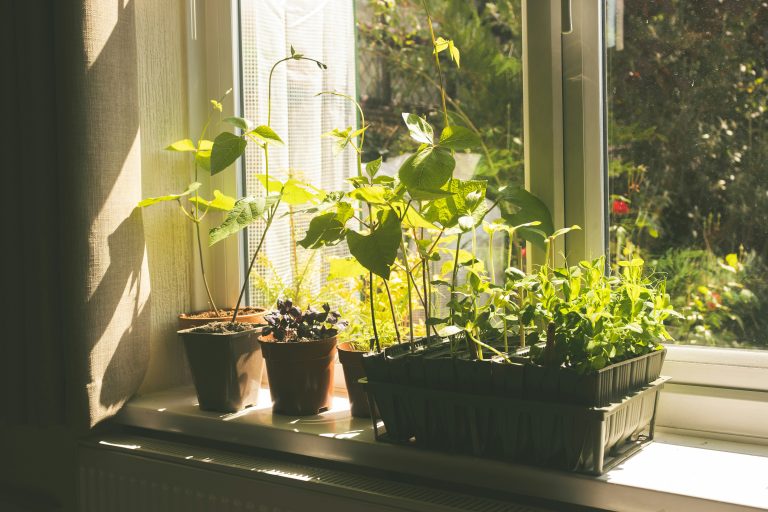
Tomatoes, lettuce, spinach, kale, radishes, dwarf beans, and chillies all grow well in pots. Cherry tomatoes (varieties like Tumbling Tom or Tiny Tim, bred specifically for containers) will produce through a full season in a 10–15 litre pot with a window or balcony that gets the most direct sun. In the Northern Hemisphere, that’s south or west-facing; in the Southern Hemisphere (NZ, Australia), it’s north or west-facing. Lettuce and spinach tolerate shadier spots and can be cut-and-come-again, meaning you harvest the outer leaves and the plant keeps producing.
What you need to get right: drainage holes in your containers, a good quality potting mix (not garden soil — it compacts in pots and starves roots of oxygen), and consistent watering. Container plants dry out faster than in-ground plants because the soil volume is limited. In summer, that can mean daily watering.
2. Indoor Herb Gardening
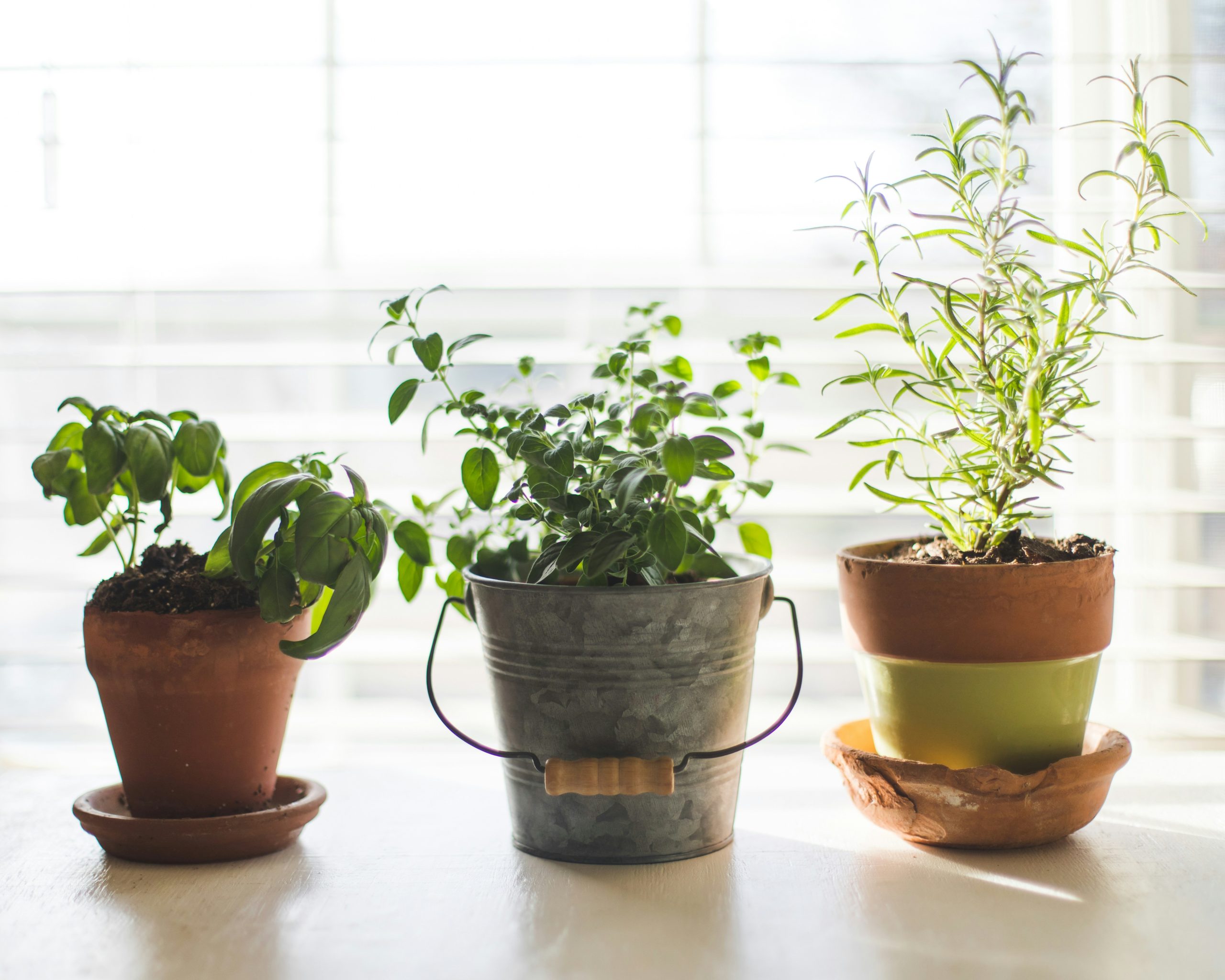
Herbs are the easiest entry point for anyone who’s never grown anything. Basil, chives, parsley, mint, and coriander grow on a bright windowsill with minimal fuss. In the Northern Hemisphere, a south-facing window gets the most direct sun. In the Southern Hemisphere (NZ, Australia), it’s a north-facing window. East or west works for most herbs regardless of where you are.
The one thing that kills most kitchen herb plants: overwatering. The supermarket pot herbs people buy (already root-bound and stressed) die fast because they sit in water. Plant into a slightly bigger pot, let the soil dry out between waterings, and they’ll last months rather than days.
Mint deserves a mention specifically because it’s invasive in garden beds but actually well-suited to containers — the pot naturally contains it.
3. Fermentation (Sourdough, Kombucha, Kimchi)
Fermentation is one of the oldest food preservation methods humans have, and it needs nothing but a jar, some basic ingredients, and your kitchen bench. No outdoor space required.
Three good starting points for a renter:
Sourdough starter — a live culture of wild yeast and lactic acid bacteria that you feed with flour and water. It sits in a jar on your counter. Once it’s active (typically 5–7 days of daily feedings), you use a portion of it to leaven bread and keep the rest going indefinitely. The science: the bacteria produce lactic and acetic acids, which give sourdough its flavour and also inhibit mould, extending shelf life compared to commercial yeast bread.
Kombucha — fermented sweet tea produced by a SCOBY (symbiotic culture of bacteria and yeast). You need a 1–2 litre glass jar, tea, sugar, and a starter SCOBY (available from fermentation groups, health food shops, or online). First fermentation takes 7–14 days at room temperature. The end product is lightly acidic, lightly fizzy, and contains live cultures.
Kimchi — lacto-fermented vegetables, traditionally napa cabbage with Korean chilli paste (gochugaru), garlic, ginger, and scallions. Lacto-fermentation uses naturally occurring Lactobacillus bacteria on the vegetable surface to produce lactic acid, which preserves the vegetables and creates the sour flavour. No special equipment: a clean jar, salt, and the vegetables is enough to start.
All three sit at room temperature during fermentation and then move to the fridge. They are legitimate food production and preservation methods used for thousands of years, not trends.
4. From-Scratch Cooking
Cooking from whole ingredients rather than processed ones is a core homesteading practice, and it needs nothing you don’t already have in a rental kitchen.
This means: baking your own bread (even without a sourdough starter — a simple no-knead loaf takes 5 minutes of actual work), making stocks from vegetable scraps and bones, cooking dried legumes rather than buying tinned, and learning to use every part of what you buy rather than discarding it.
The practical value is real: cooking from scratch reduces food spend, reduces packaging waste, and builds skills that compound. Someone who knows how to make bread, cook dried beans, and use up leftovers creatively is genuinely more food-resilient than someone who isn’t.
5. Composting in Small Spaces
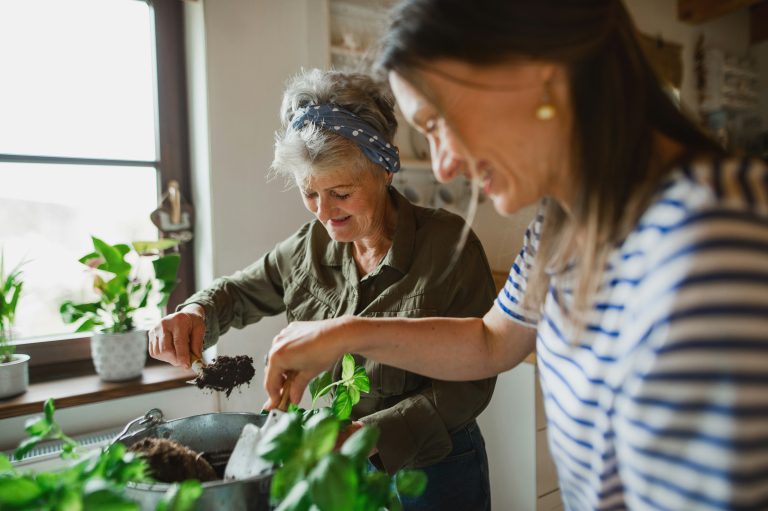
Composting is possible without a garden. The method changes, but the outcome — converting food waste into usable material — stays the same.
Two options that work in apartments and rentals:
Bokashi composting — a Japanese method using a sealed bucket and bokashi bran (wheat bran inoculated with effective microorganisms). You layer food scraps with bran, seal the bucket, and the anaerobic fermentation process pre-digests the material over 2–4 weeks. The result is a fermented food waste that can go to a community garden, a friend’s compost heap, or occasionally be buried in soil if you have outdoor access. It doesn’t smell like rot — it smells sour, like vinegar or pickles. Bokashi handles meat, dairy, and cooked food that traditional compost can’t.
Worm farming (vermicomposting) — a small worm bin (commercially available or DIY) can sit under a kitchen bench or in a cupboard. Red wigglers (Eisenia fetida, not garden earthworms) break down vegetable scraps, paper, and cardboard into worm castings, which are an extremely rich fertiliser. A correctly maintained worm farm doesn’t smell. It does require keeping the worms alive: temperatures between 10–30°C, adequate moisture (the bedding should feel like a wrung-out sponge), and not overloading with acidic foods like citrus or onion.
If neither option fits your situation, many councils offer community compost drop-off points, and community gardens often accept food scraps.
6. Food Preservation (Pickling, Dehydrating)
Preserving food extends its useful life and reduces waste — both central to homesteading. Renters can do this with equipment that fits in a kitchen cupboard.
Pickling — two types worth knowing. Refrigerator pickles (quick pickles) use a vinegar brine and require no special equipment; the acidity of the vinegar preserves the vegetables and they keep in the fridge for weeks to months. Water bath canning (for shelf-stable jars) requires a large pot and jars with two-piece lids. It is safe for high-acid foods only — pickles, jams, and acidified tomato products. Low-acid vegetables, meat, and most soups and stews require pressure canning to be shelf-stable safely; that’s a separate process and not covered here. For anyone new to canning, following tested recipes from a reliable source (the USDA Complete Guide to Home Canning is freely available online) matters for food safety — the vinegar or sugar ratios in tested recipes are there for a reason.
Dehydrating — removing moisture from food extends shelf life from days to months or years. A countertop food dehydrator costs $60–150 and takes up roughly the same space as a toaster. You can dehydrate surplus herbs, fruit, vegetables, and make your own dried mushrooms or jerky. An oven set to its lowest temperature (usually 50–80°C) with the door slightly ajar works as an alternative, though it uses more electricity and is less precise.
7. Homemade Cleaning and Personal Care Products
Making your own cleaning products and some personal care items is a homesteading practice with direct, measurable value: it reduces plastic packaging, cuts costs, and removes synthetic chemicals you may want to avoid.
Basic cleaning: white vinegar diluted with water (1:1 ratio) is an effective general surface cleaner for most kitchen and bathroom surfaces. Bicarbonate of soda (baking soda) is a mild abrasive for scrubbing. Combined with a few drops of an essential oil if you want fragrance, these two ingredients replace most commercial spray cleaners. Note: don’t mix vinegar and bicarbonate of soda expecting a cleaning product — the acid-base reaction neutralises both and you’re left with water and CO2.
Personal care entry points: lip balm and simple skin balms made with beeswax and oils are a genuinely easy start. Solid shampoo bars or homemade soap require more equipment and technique and are better as a second step once you’ve got the basics down.
8. Community Gardens
If you want to grow more than containers allow, community gardens are the direct answer. Most cities have them; waitlists vary from no wait to 12+ months depending on location.
A community garden plot — typically 10–20 square metres — gives you actual ground to work. You can grow root vegetables, larger brassicas (broccoli, cauliflower, cabbage), climbing beans, and crops that genuinely don’t work in containers. It’s also where you learn from other growers, which accelerates the whole learning curve.
To find one: search “[your city] community garden” or check with your local council. Some community gardens have plot fees ($30–100/year is common), some are free.
Ready to go further? The No-Land Homesteader’s Starter Kit is the practical guide for renters — container growing, fermentation, food preservation, and composting in small spaces, all in one place.
45 pages built specifically for renters and apartment dwellers. $17.
What to Check With Your Landlord Before You Start
Most of the activities above need no landlord conversation at all. Fermenting, cooking from scratch, making cleaning products, dehydrating food — these are just things you do in a kitchen.
A few things that are worth a quick check:
Balcony plants and containers — some leases restrict modifications to balconies or external appearances. Putting a few pots on a balcony floor is usually fine; drilling in brackets for hanging planters or installing structures is where you may need permission. Check before you drill anything.
Worm farms — if you’re worried about it being an issue, ask. In practice, a small worm bin under a bench is invisible and odourless when managed correctly, and most landlords will have no objection.
Community gardens — these have nothing to do with your landlord. You’re renting a plot from the garden organisation, not your rental property manager.
The general principle: if it’s contained within your space, doesn’t alter the property, and leaves no trace when you move out, you almost certainly don’t need to ask.
The Mindset Shift: Homesteading Is a Practice, Not a Property Type
The framing that homesteading requires land is the single biggest thing that stops renters from starting. It’s also wrong.
Homesteading is a direction of travel, not a destination. The direction is: more self-reliance, more skill, less dependence on industrial systems for basic needs. You can move in that direction from wherever you are.
I’ve seen people with rural properties and five acres who don’t grow a single thing and buy everything processed. I’ve seen apartment dwellers producing fermented foods, growing herbs and greens, preserving seasonal produce, and cooking almost entirely from scratch. The second person is doing more genuine homesteading than the first.
The other thing worth naming: renter homesteading often builds better skills than land-first homesteading, because you’re working with constraints. Learning to grow food in containers teaches you more about soil, drainage, and plant needs than putting seeds in the ground and hoping. Making sourdough in a small kitchen teaches you more about fermentation than any number of books. The constraint is the teacher.
Where to Start If You’re Renting Right Now
Pick one thing. Not a list, not a plan — one thing.
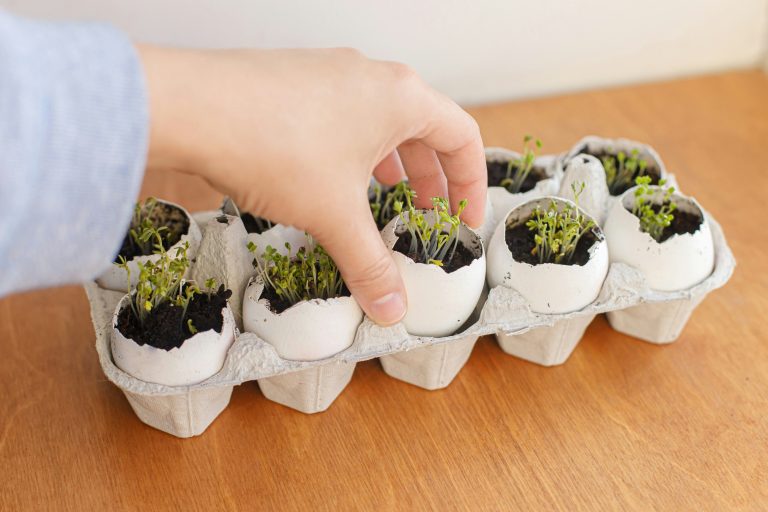
If you have a windowsill that gets a few hours of sun: buy a packet of salad mix seeds and a pot. Sow them this week. You’ll be eating from it in 3–4 weeks.
If you’d rather start in the kitchen: make a sourdough starter. Equal weights flour and water in a jar, fed daily. It costs almost nothing and teaches you something real about fermentation within two weeks.
If you want to cut waste first: get a bokashi bucket or look up your nearest community compost drop-off. Divert your food scraps for a month and notice what that does to how you think about food.
The reason to start small is that each thing you learn makes the next thing easier. Someone who’s kept a sourdough starter alive for six months understands fermentation well enough to try kombucha or kimchi without it feeling foreign. Someone who’s grown lettuce on a windowsill has enough intuition about plant care to try tomatoes on a balcony.
If you want those three starting points mapped out in one practical guide, The No-Land Homesteader’s Starter Kit was built specifically for renters working with limited space.
Start where you are. The property comes later, if it comes at all. The practice starts now.
Homesteading in a rental is absolutely doable — the Starter Kit gives you the practical foundations to build real skills in any small space.
The No-Land Homesteader’s Starter Kit is a 45-page practical guide — container gardening, composting in small spaces, seed-saving, fermentation, and food preservation — built specifically for renters and apartment dwellers. $17.